Projects With Additional Funding Based on DEPA Interest
As a result of the Network Plus funding from the AHRC and UKRI, and the work of the DEPA project, further funding was secured from other funding streams to expand the work and reach of the main project.
Global Inequality and Climate Change (GICC)
GICC was a 7-month collaborative project between researchers, the Geographical Association and teachers in Cameroon, funded by the ESRC. The project is led by Dr Melis Cin, Senior Lecturer in Education and Social Justice in the Department of Educational Research at the University of Lancaster, in partnership with the Open University (Professor Parvati Raghuram) and the University of Aberdeen (Dr Manu Lekunze).
The project aimed to address relationships between humans and the climate crisis in the light of global inequalities created by colonial legacies. The GA is working as a partner to co-produce and pilot KS3 teaching materials and to present teacher CPD courses.

Embedding and Enabling Creative Economy in Marginalised Societies: Creative Skills for Peace
The Arts and Humanities Research Council project, Embedding and Enabling Creative Economy in Marginalised Societies: Creative Skills for Peace, aimed to enhance human resource capacity through upskilling young artists for sustainable peace economy. This project was conducted in collaboration with the Open University – UK (Parvati Raghuram), University of South Africa (Ashley Gunter) and the Midlands State University, Zimbabwe (Tendayi Marovah).
Go to the Creative Economy Project
The Abuja Peace Clubs Project (Nigeria)
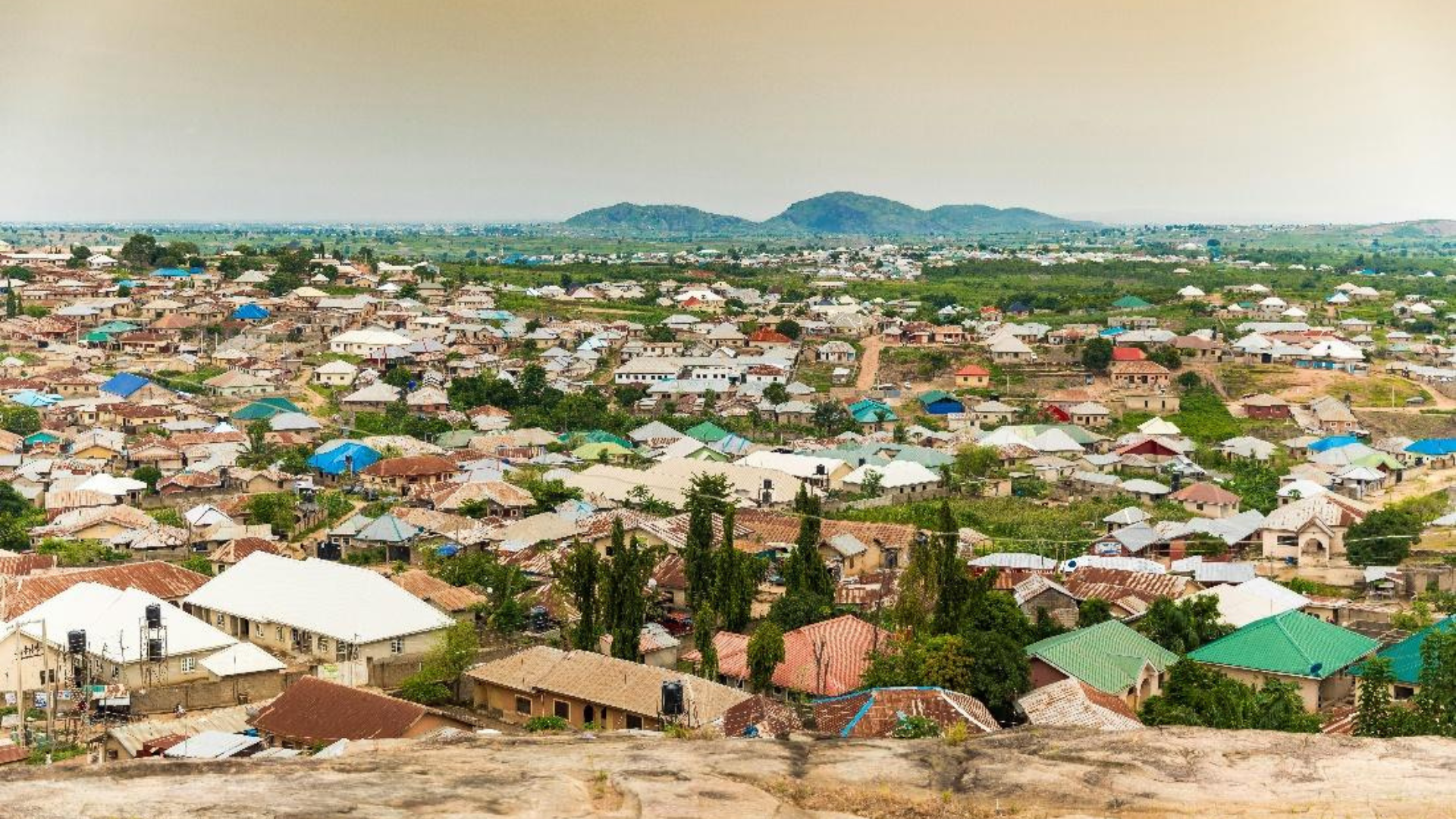
The Peace Clubs Project, an initiative of Education Plus, a fully registered Nigerian NGO, was implemented in Abuja, Nigeria. The project was conducted in two government-run Senior Secondary Schools and focused on training teachers as Peace Facilitators to lead student Peace Clubs and help adolescents address and tackle the issues of violence and conflict in their lives.
Go to the Abuja Peace Clubs Blog
The Building Equitable African Partnerships (BEAP) Project
The BEAP project was a bold and timely initiative aimed at reshaping how research partnerships are formed and sustained across Africa. At its heart, BEAP is about fairness, ensuring that collaborations between funders, institutions, researchers, and communities are built on mutual respect, shared benefit, and cultural relevance irrespective of whether they are situated in the Global North or Global South. In a shifting global landscape where African nations are increasingly turning to partners who speak the language of reciprocity, such as China, India, and Saudi Arabia, the Global North must rethink its approach. BEAP responds to this moment by offering practical recommendations for more equitable and globally attuned partnerships.
Grounded in the spirit of Ubuntu and guided by culturally rooted practices such as Lekgotla, Isintu, and Harambee, the project draws on insights from nine regional workshops held in Kenya and South Africa. These workshops brought together 113 participants from 15 African countries, including community members, artists, NGOs, and institutional leaders. Together, they explored three key themes: Conflict, Peace and Security; Women, Girls and Youth; and the Creative Economy. The result is a set of actionable recommendations that reflect the voices and priorities of African partners, designed to guide future research funding and strengthen the foundations of partnership itself.
Partnering For Equitable Research (PEERS Gallery)
The BEAP Project experiential learning resource is designed for anyone engaged in, or curious about, partnered research. This OpenLearn course aims to spark thoughtful reflection on how to build, sustain, and transform equitable relationships. Not by prescribing fixed actions, but by inviting you to explore and reshape your own practices with curiosity and intention.
Go to the PEERS Gallery on OpenLearn