
Aims of the DEPA Project
Many African countries have experienced long-standing war and conflict, despite ongoing peacebuilding efforts. Peace education—essential for preventing and reducing conflict—has had limited impact, partly because its pedagogies and curricula often rely on Eurocentric and liberal frameworks. Although there is growing momentum to decolonise African curricula, this has largely remained at the level of critique rather than practical implementation.
DEPA seeks to address this gap by developing teaching materials grounded in local knowledge, cultural values, and community understandings of peace, with a particular focus on supporting those most affected by conflict.
Four initial Proof of Concept projects were carried out in Nigeria, South Africa, Uganda, and Zimbabwe. These projects strengthened collaboration between African partners and UK institutions. Local teams worked with a wide range of groups and settings, including Internally Displaced People (IDP) camps, refugee settlements, faith-based organisations, community groups, and multiple education contexts such as higher education, secondary schools, vocational training, and informal learning spaces. Insights from these early projects informed the next phase of the programme, which funded eleven additional projects in Algeria, Burundi, the Democratic Republic of Congo, Cameroon, Ethiopia, Ghana, Kenya, Mozambique, Sierra Leone, and Zambia.
Across all sites, project teams used diverse arts and humanities research methods including storytelling, Social-Emotional Learning (SEL), theatre, PhotoVoice, and indigenous art forms to collaboratively create photographs, drawings, and other visual materials. A continent-wide dance collaboration was also undertaken, drawing on data from all projects to create a unifying artistic expression of the work.
Country Projects
Through its multi-faceted approach, the Decolonising Education for Peace in Africa (DEPA) project has built a vibrant network of educators, researchers, policymakers, NGOs, and other stakeholders across the continent.
The project aims to create long-term impact by producing the first set of peace education research and teaching materials developed through a South–North partnership and rooted in Global South perspectives. All research data will be freely archived, ensuring that future researchers and practitioners have open access to these resources.
You can find all the DEPA projects on the Country Projects page
Meet the DEPA Team
DEPA is a multi-disciplinary team that brings together expert academic and migration researchers from across five countries – Nigeria, South Africa, Uganda, Zimbabwe and the UK.
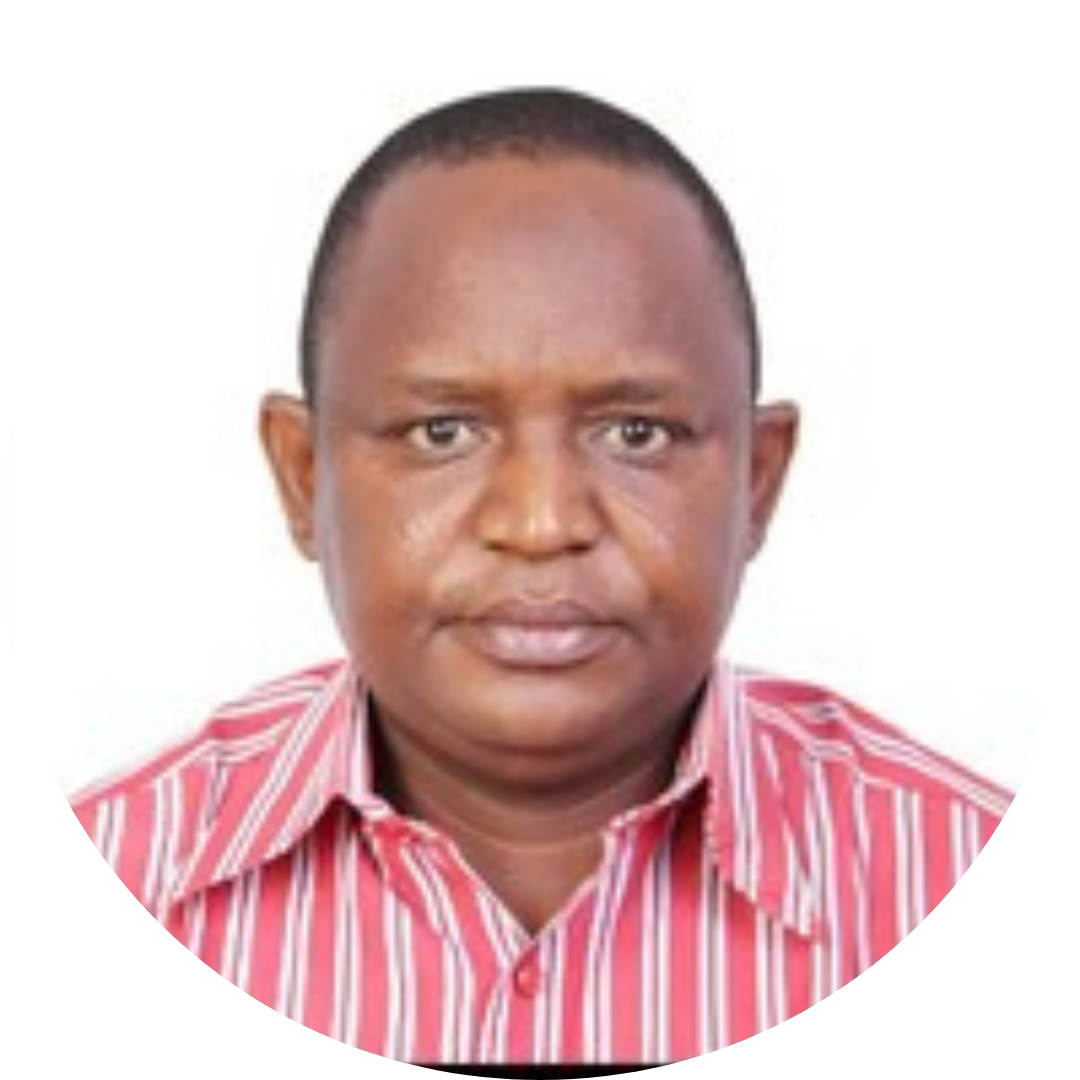
Dr Abubakar Umar Kari is the Dean of Students' Affairs at the University of Abuja, Nigeria. He is also an Associate Professor of Sociology. The University of Abuja is a dual-mode university with the mandate to run conventional and distance learning programmes.
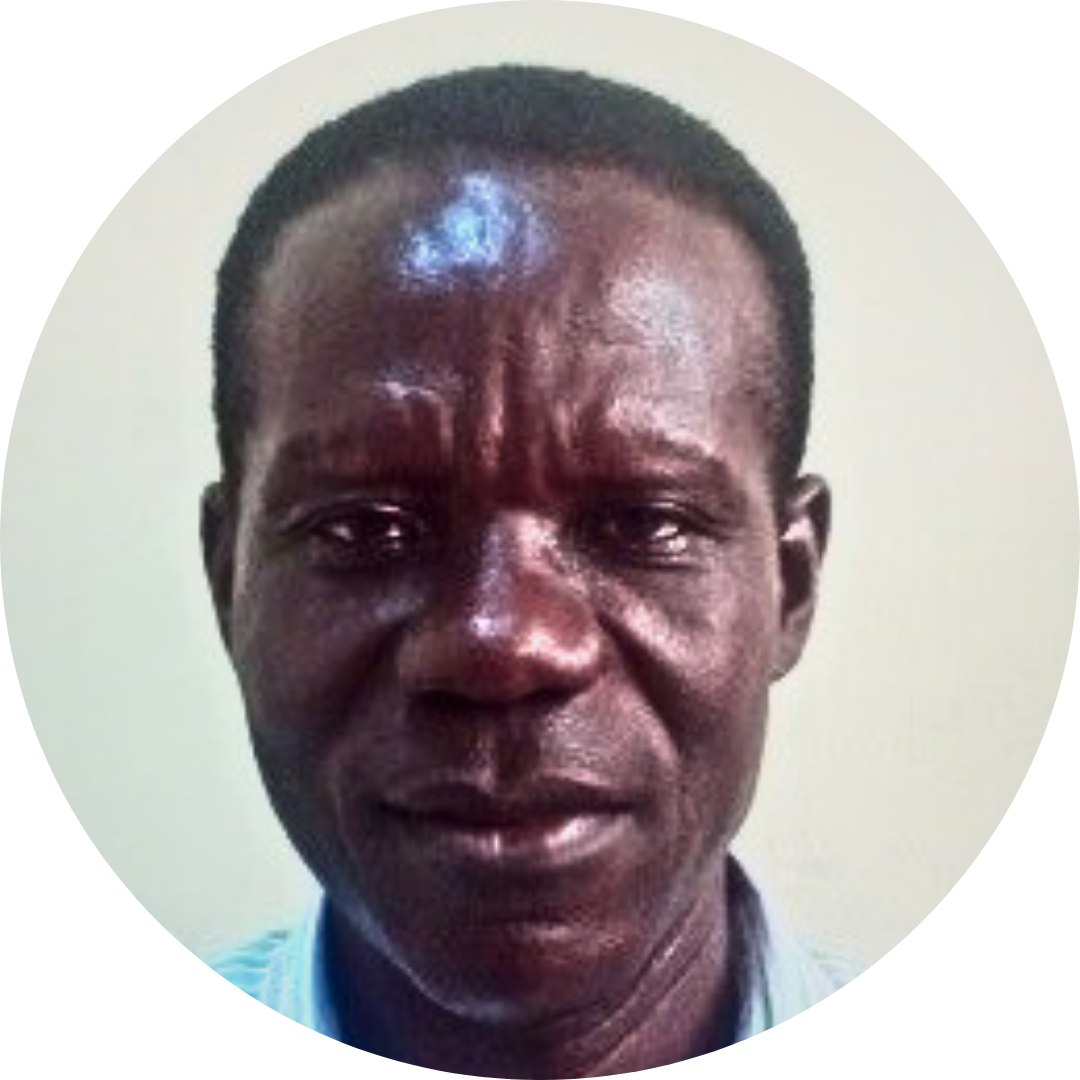
Dr Alex Sivalie Mbayo has been a Lecturer at Fourah Bay College, the University of Sierra Leone since 2001. He has held differ -ent administrative positions including but not limited to Acting Director at, the Institute of Gender Research and Documentation, Head of the Department of Peace & Conflict Studies and is currently Senior Lecturer and the Dean of, the Faculty of Social Sciences at Fourah Bay College. In 2021/22 Dr. Mbayo worked as co-investigator on the DEPA project in Sierra Leone. Key to the Decolonising Peace for Education agenda was to engage the historically "voiceless" and disproportionately underrepresented people, especially women and children, in terms of contributing their lived experience of conflict, from the country's wide civil war to more local disputes that arose out of political unrest or clashes with authority figures such as the police.
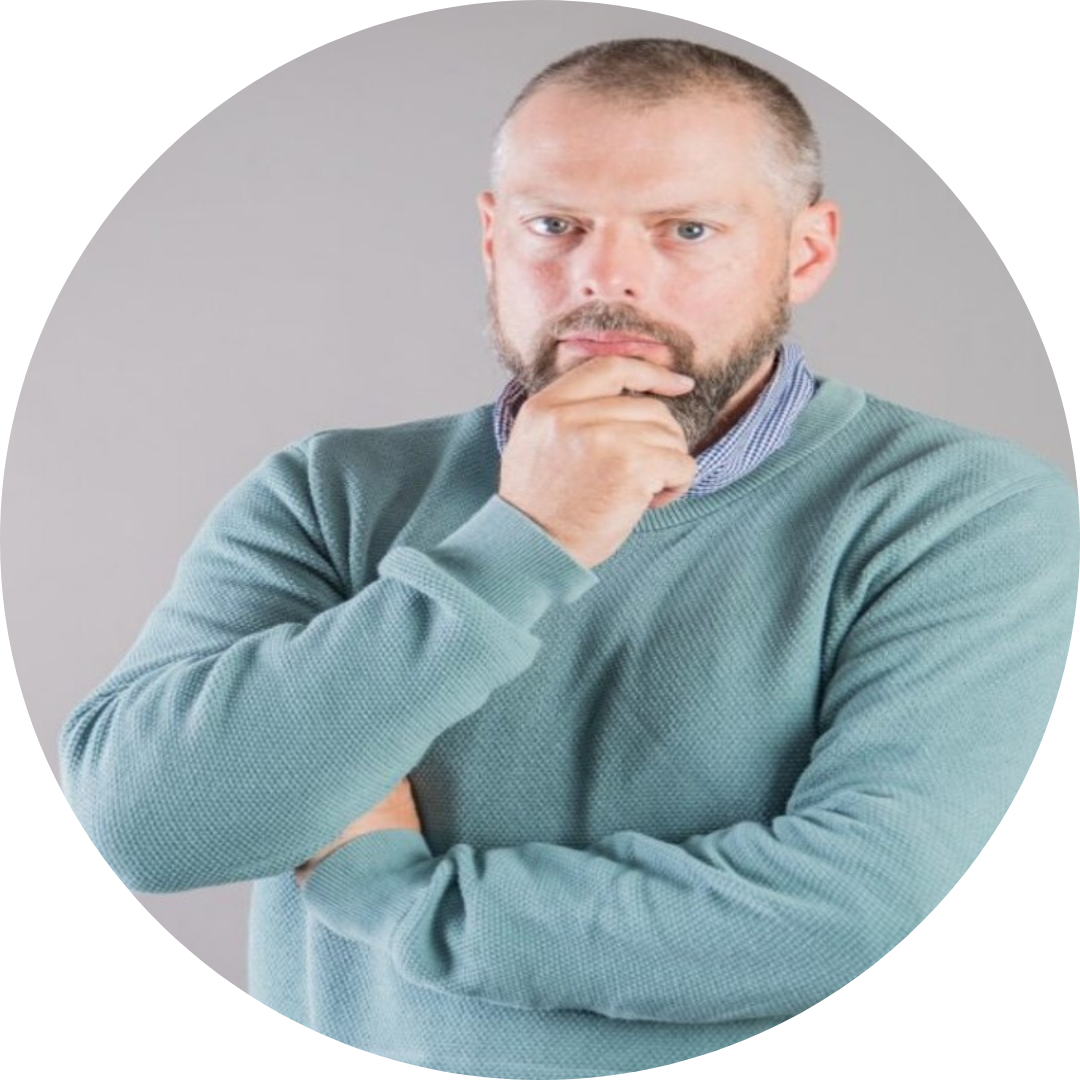
Prof. Ashley Gunter is a Professor of Geography at the University of South Africa (UNISA) and the lead for the South African team in the DEPA project. He has also been involved in DEPA projects in teacher training initiatives in Zambia and leadership training in the Mozambique project. His work focuses on spatial disparities, African development, and fostering inclusive, community-driven research. Prof. Gunter is committed to decolonising education and has played a key role in creating multimedia teaching materials that enhance learning experiences. Reflecting on DEPA, he notes: "The project reinforced the importance of African researchers leading their own inquiries and reshaping global research practices. It highlighted the urgent need to move beyond rhetorical decolonisation to practical, transformative action”.
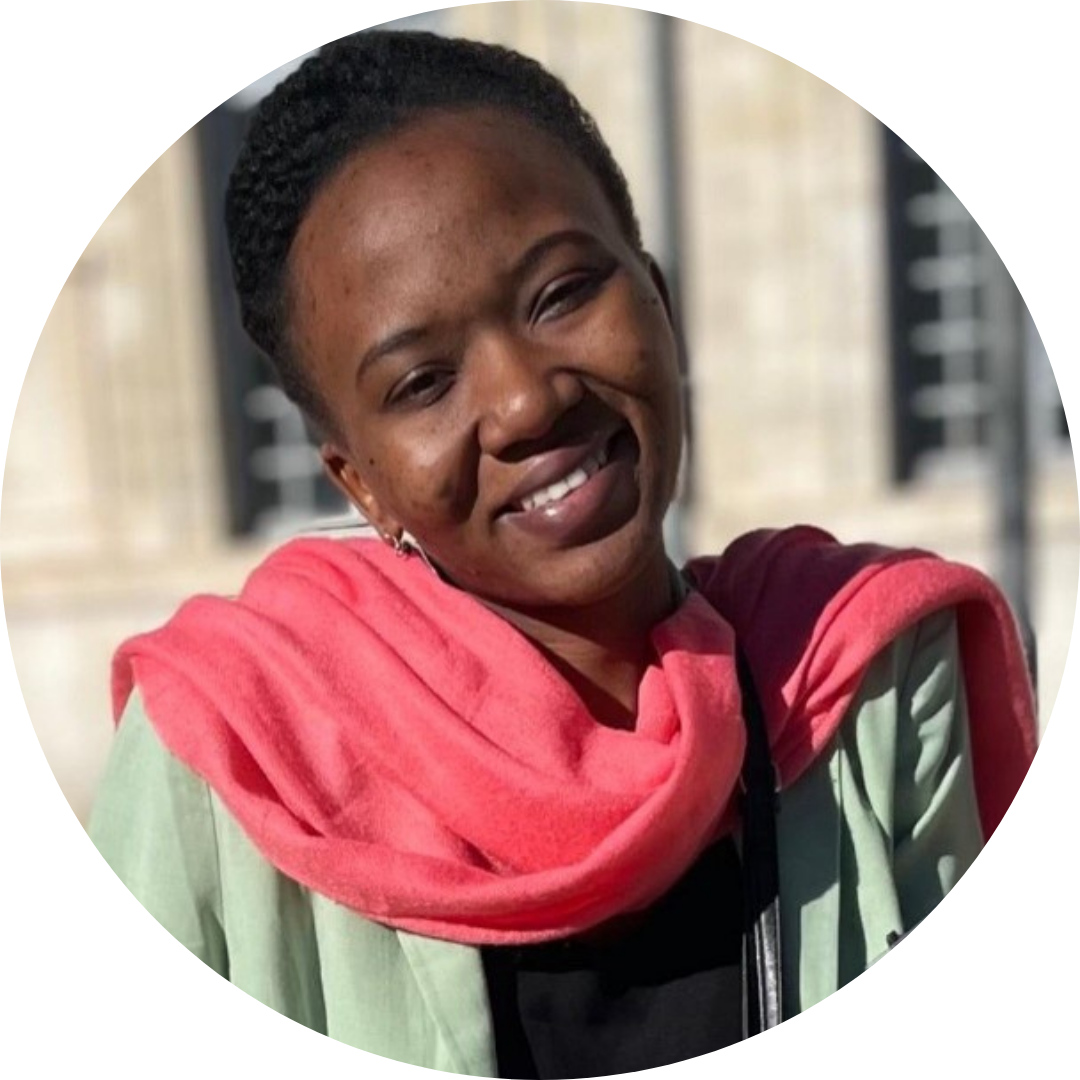
Christelle Balegamire Karuta is a Congolese researcher at the Centre d'Expertise en Gestion Minière de l'Université Catholique de Bukavu (CEGEMI-UCB). She started out as a researcher, then as co-director of the writing tab within the Fluidborders project carried out in Burundi and the DRC. This project explored physical and symbolic borders through decolonial artistic methodologies, notably drawing, which transformed her understanding of research. Coming from an academic tradition favouring classical surveys and focus groups, Christelle discovered the powerful impact of creative and sensitive approaches in bringing out narratives rooted in lived realities. In her work with disaster victims on Lake Tanganyika, she recognised the importance of a decolonised approach to environmental issues, refusing to reject Western knowledge wholesale while questioning its hegemony. Christelle advocates the co-construction of knowledge and insists on shared responsibility in the fight against climate disruption, asserting that every individual, every community, can and must play a role.
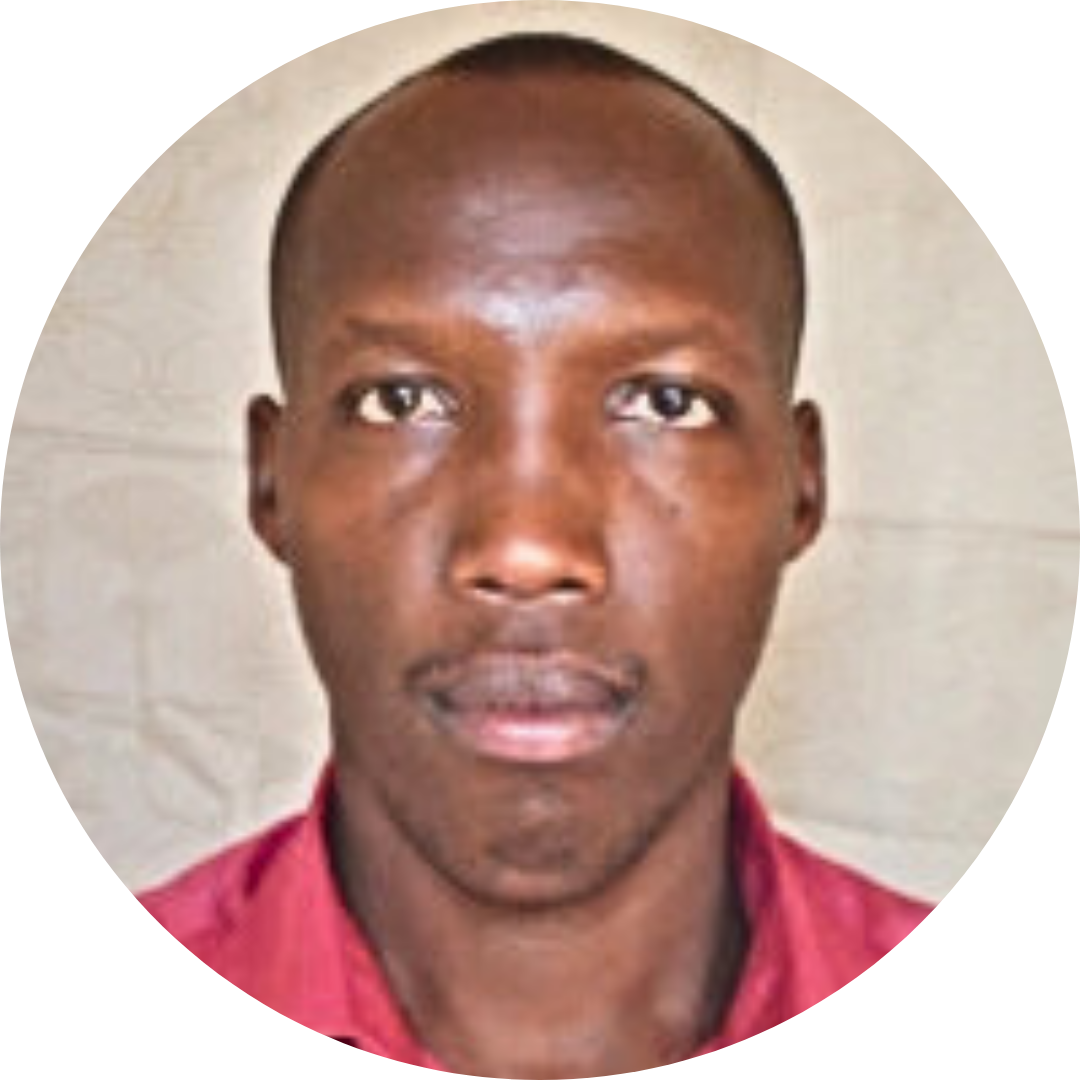
Clement Basabose is a dedicated activist with over 15 years of experience in Burundi, focused on community engagement and addressing gendered asymmetries. His work with the DEPA project has reshaped his approach to peace education, moving beyond euro-centric models. As a focal point for the Fluid Borders project and Translator, he contributed to decolonising peace education and exploring Identity/Frontier issues. Clement advocates for peace strategies that reflect local contexts, fostering genuine understanding among communities impacted by systemic violence around Tanganyika Lake.

Dr Craig Walker is a co-investigator at The Open University. He is interested in what peace looks like as part of daily life and interactions, and how the politics of peace needs to move past national and international-centrism, and learn from everyday peace builders. He worked closely with the Uganda and Mozambican projects on issues of citizenship and gender-based violence. Supporting the managerial processes sitting behind research projects, he has come to understand the role UK University institutions need to play in decolonising ways of working in research.
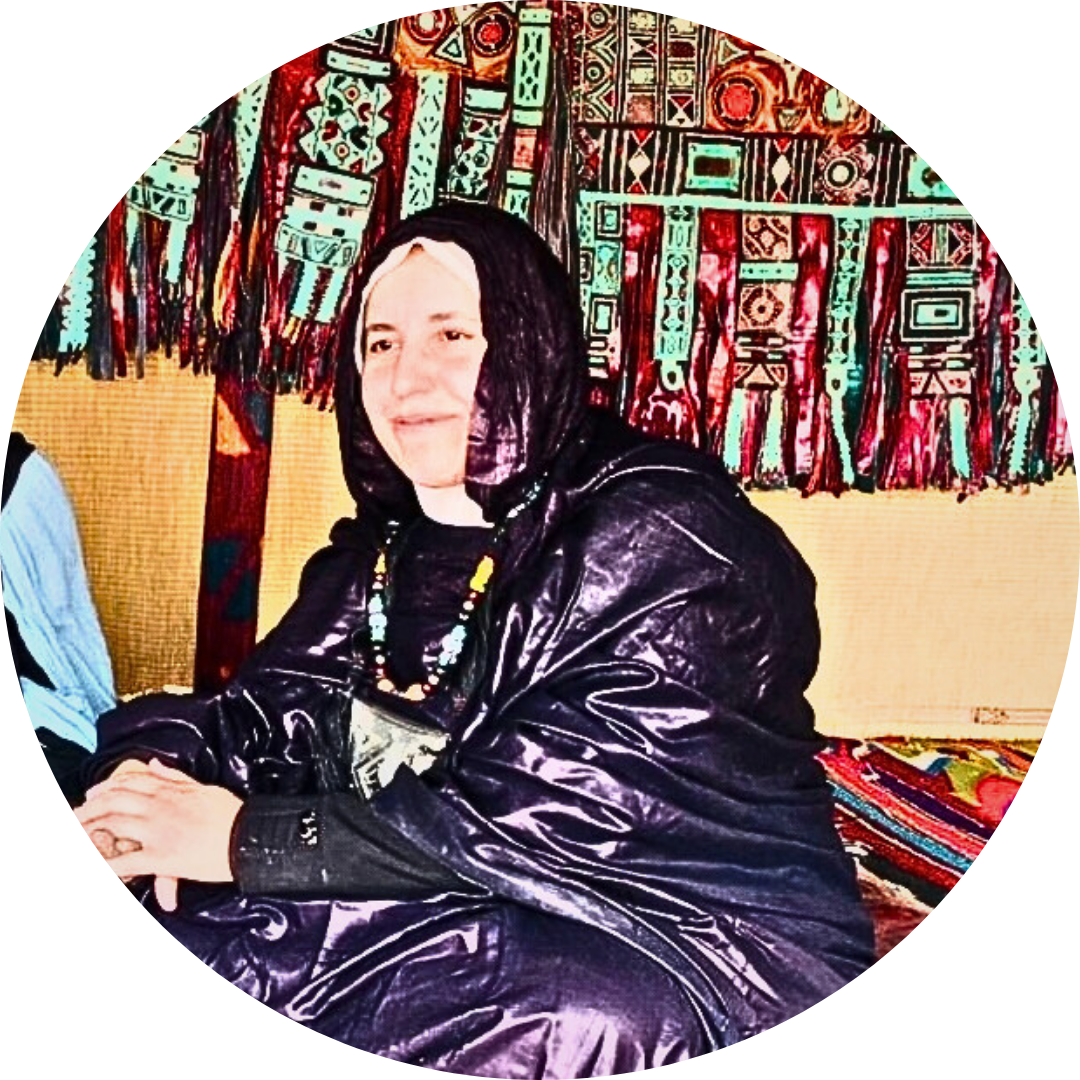
Dr Fella Lahmar is a Senior Fellow of the Higher Education Academy and worked as a DEPA Research Fellow at the Open University. She was drawn to the DEPA project by its commitment to decolonial methodologies and its focus on empowering local narratives through cultural heritage. Her work focuses on Algeria's artistic heritage, such as storytelling, poetry, and melodies (medihs), as a medium for promoting peacebuilding and fostering reconciliation across diverse linguistic communities. She is deeply connected with these endangered traditions, which her grandparents used to pass down values, traditions, and peacebuilding practices outside the colonial formal education system. Dr Lahmar is proud of developing educational resources that provide meaningful space for Algeria’s communities to engage with their shared heritage and values through multiple linguistic lenses. These resources approach the linguistic and cultural diversity of ancestral heritage as a source of richness and unity, rather than as a threat or exoticism, fostering dialogue and mutual understanding.
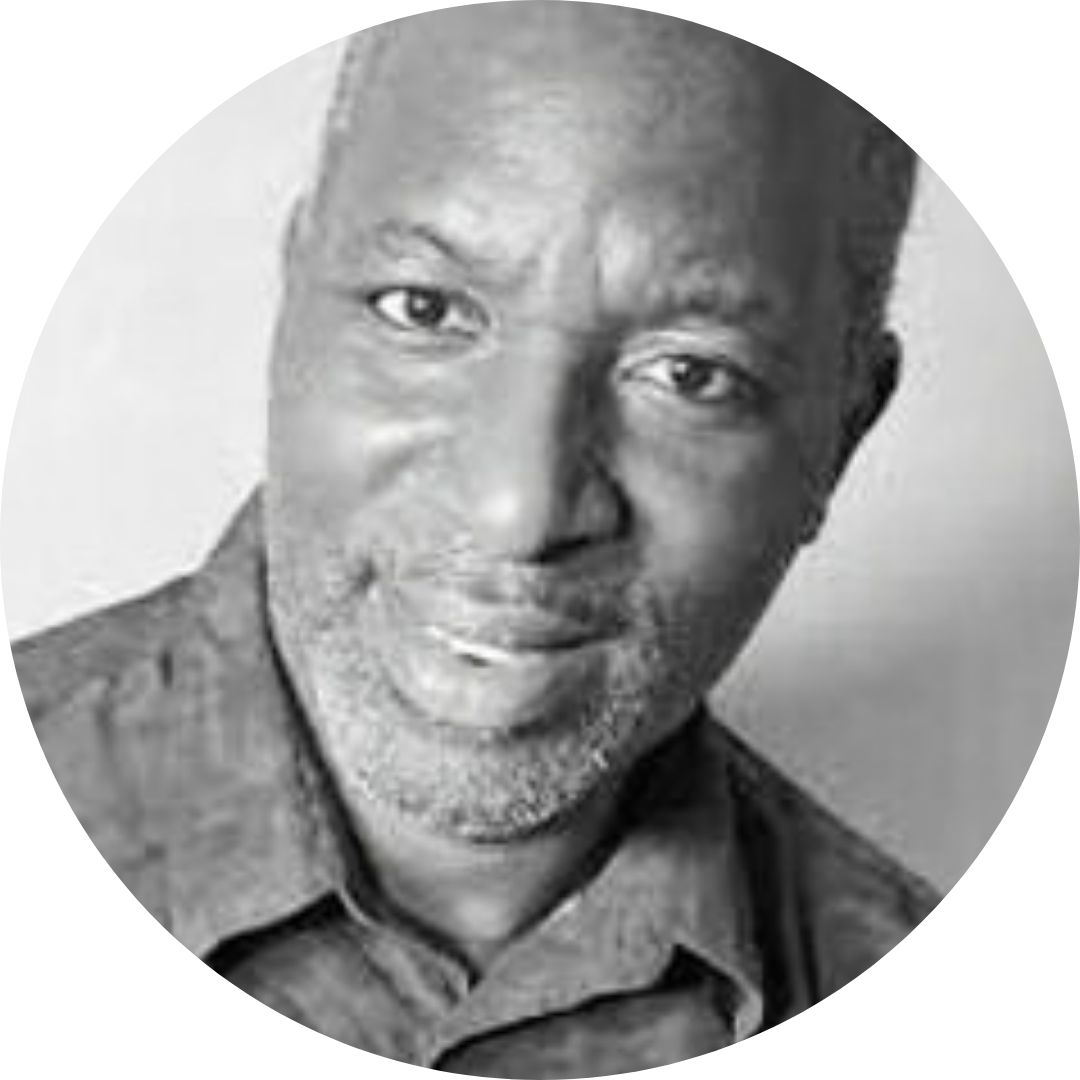
Dr ‘H’ Patten is an associate lecturer in African/Caribbean dance on the Irie! Dance Theatre BA (Hons) degree course and holds a PhD from Canterbury Christ Church University. He has written several chapters on reggae/dancehall culture and is currently completing a book on the spiritual roots of Jamaican reggae/dancehall dance, while also co‑editing a volume on insecurities surrounding dancehall performance. An experienced choreographer, filmmaker, visual artist, storyteller and performer, ‘H’ has built an international reputation in African and Caribbean arts over more than 34 years. He has choreographed for the national dance companies of Ghana, Nigeria, Sierra Leone, Malawi and Zambia, as well as for the Stella Maris Dance Ensemble in Jamaica and many other major productions. He received the Jamaican High Commission’s 50th Anniversary Award in 2012 for his contributions to arts, culture and entertainment. He established the Korotech Dancefest Professional Development Training Programme in 2007, which offers dynamic training and research opportunities in West Africa and the Caribbean. More recently, he has contributed to international research initiatives, including DEPA.
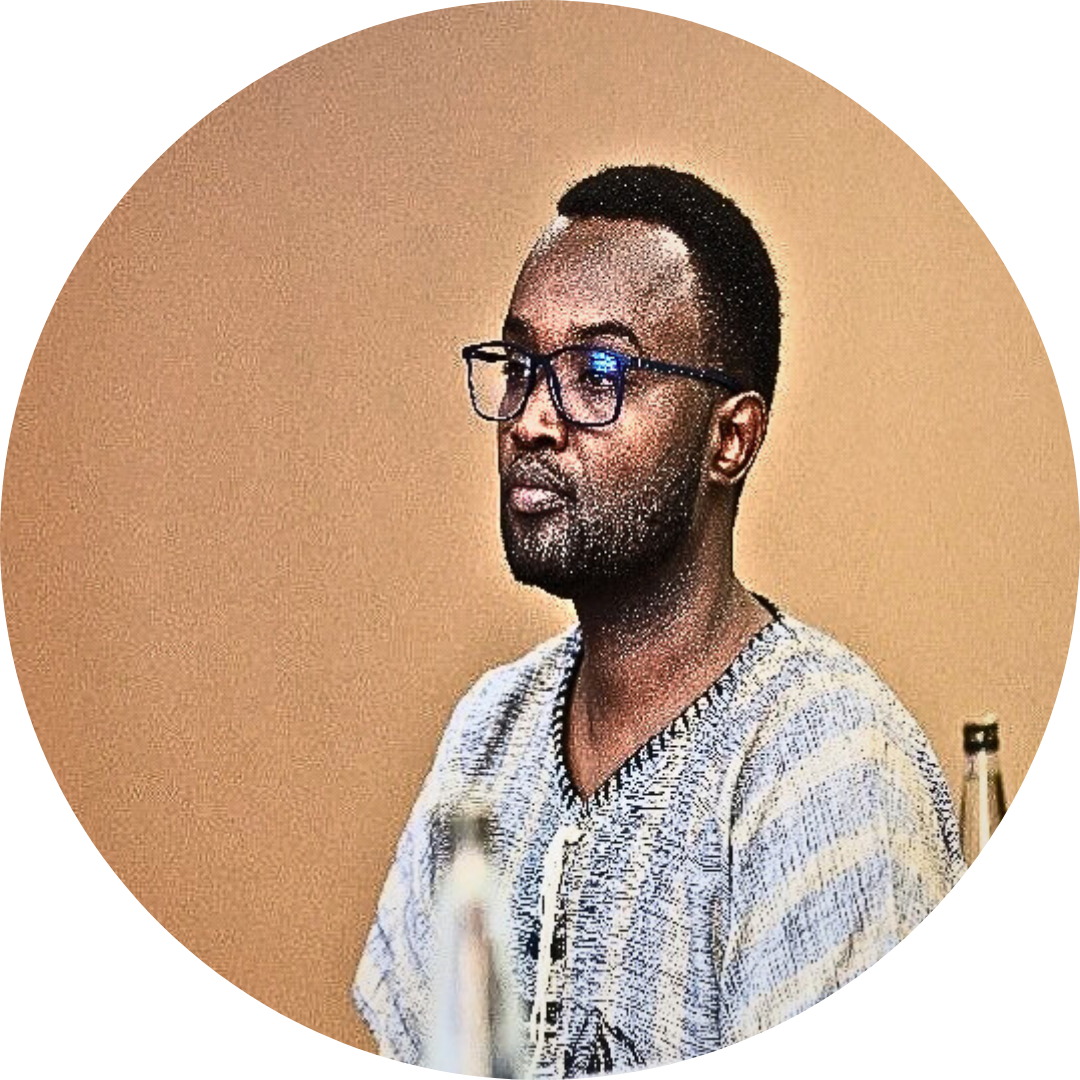
Jean-Paul Nizigiyimana is an independent researcher whose focus is on issues of transitional justice, the rule of law and electoral processes in post-conflict settings; for a possible social reconstruction. He has worked in the borderlands of Gatumba (Burundi) and Uvira (Eastern DRC) on the Fluidborders project - exploring, through observation and group reflections, the importance of pluriversal visions of peace in the processes of peace decolonisation. Having worked in NGOs for several years and noticed that the change pursued wasn’t there, embarking on a peace decolonisation project was an answer to his questions. Having participated in several reflections in the project, he learned how colonial knowledge and behaviours are rooted, especially from NGOs working on peace and from the Burundi culture (specifically in gender coloniality), and how it would require more time, patience and strategies to be able to trigger decolonial reflections in these borderlands.
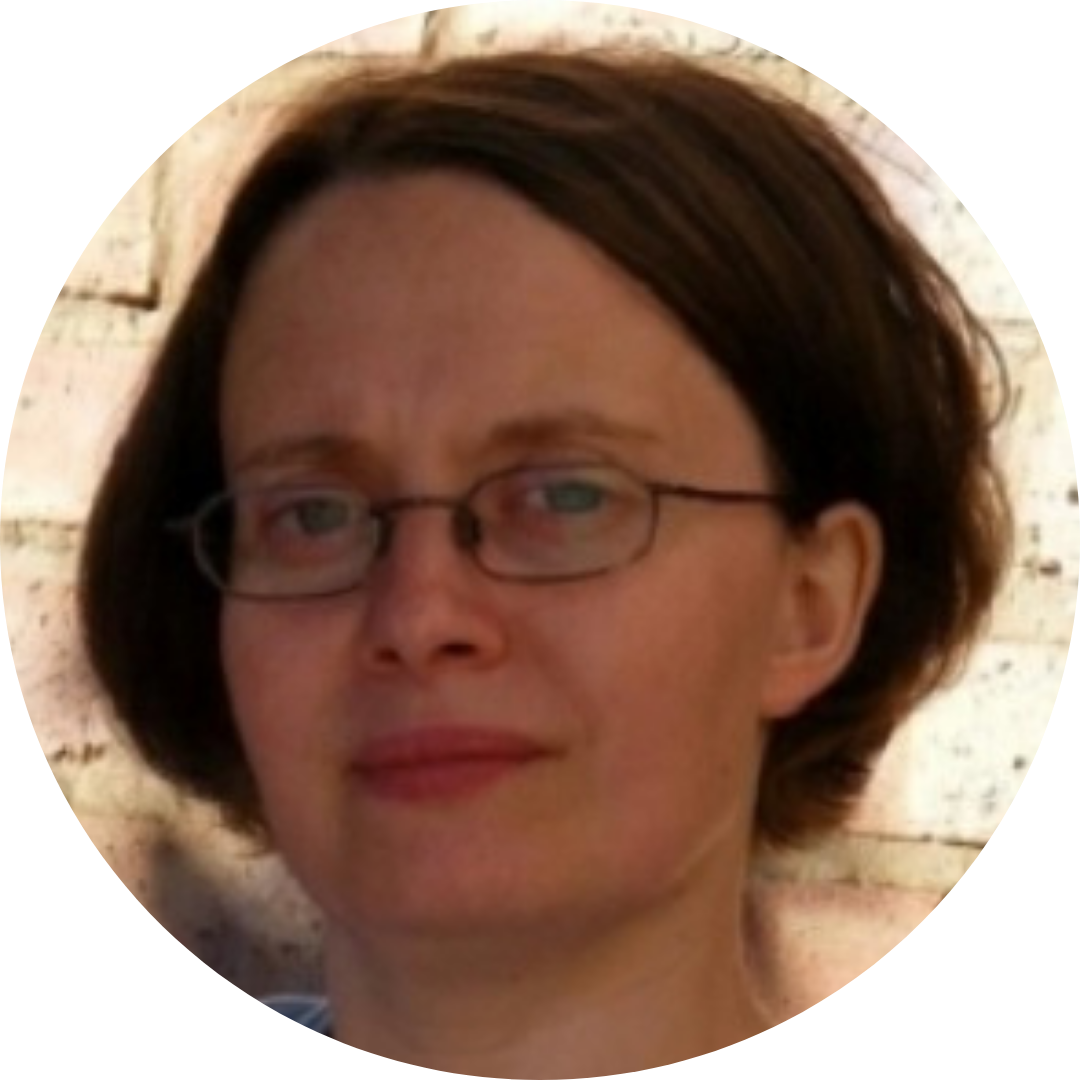
Joanne Watts is a Project Manager at the Open University. Joanne's clear communication and her ability to build strong, productive relationships across a wide range of partners were central to the success of the DEPA project. Her strong organisational skills, combined with her capacity to manage groups, coordinate external organisations, and work both collaboratively and independently, provided the steady structure and self‑management the project relied on.
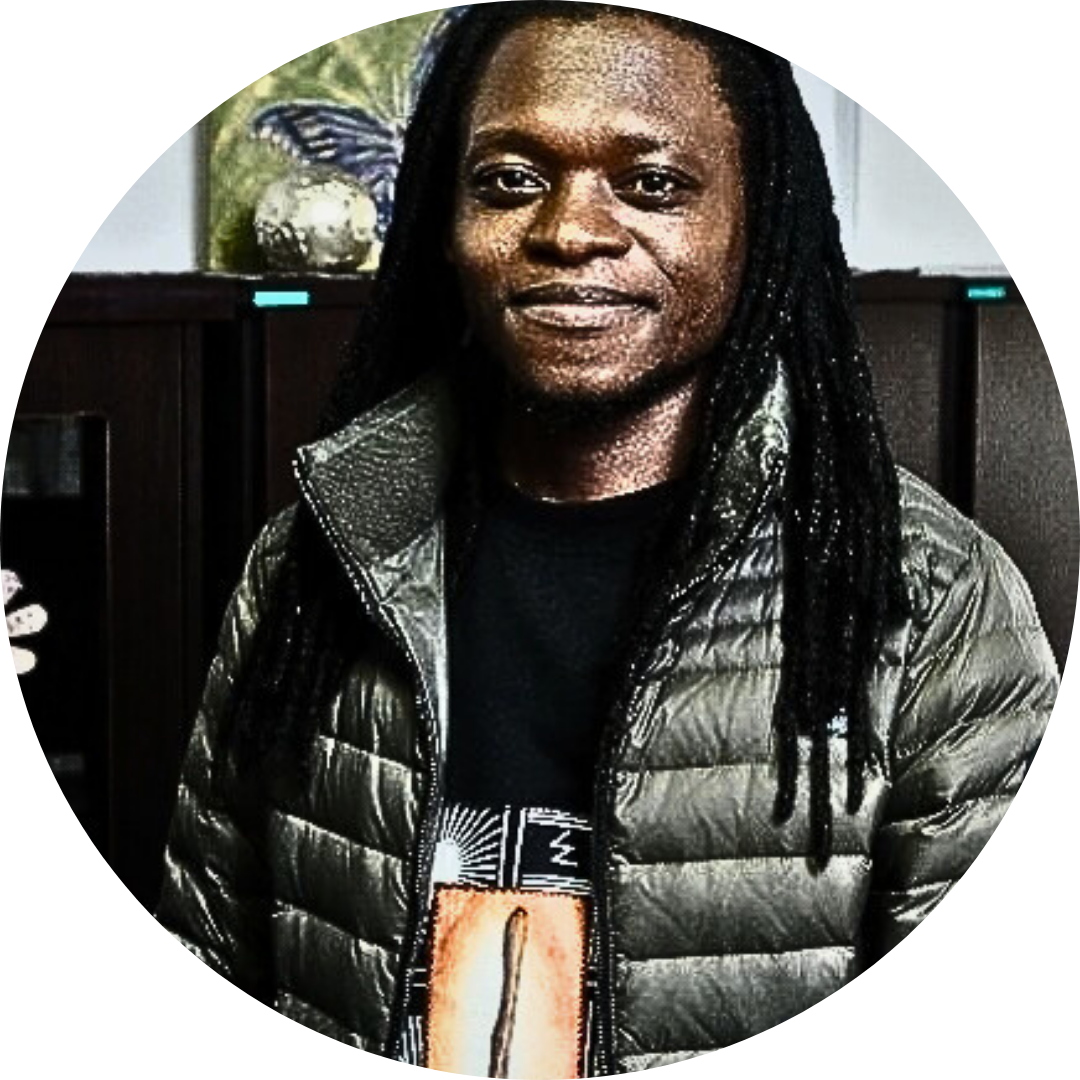
Kurauone Masungo is a post-doctoral fellow under the SARCHI Chair in Higher Education & Human Development (HEHD) Research Programme, University of the Free State, South Africa. He is part of research projects conducted in Binga, Zimbabwe and Choma, Zambia. The projects responded to young people's demands for improving their skills in indigenous forms of art and embedding cultural heritage into their artistic practice and skills for wider recognition and public engagement. ‘The DEPA projects broadened my understanding of the potential of cultural heritage and its potential contribution in the expansion of individual and community freedoms and agency for more justice and democracy. Mostly, I am proud of how cultural heritage creates a space for the formation of political freedoms that enable communities to tell their stories.’
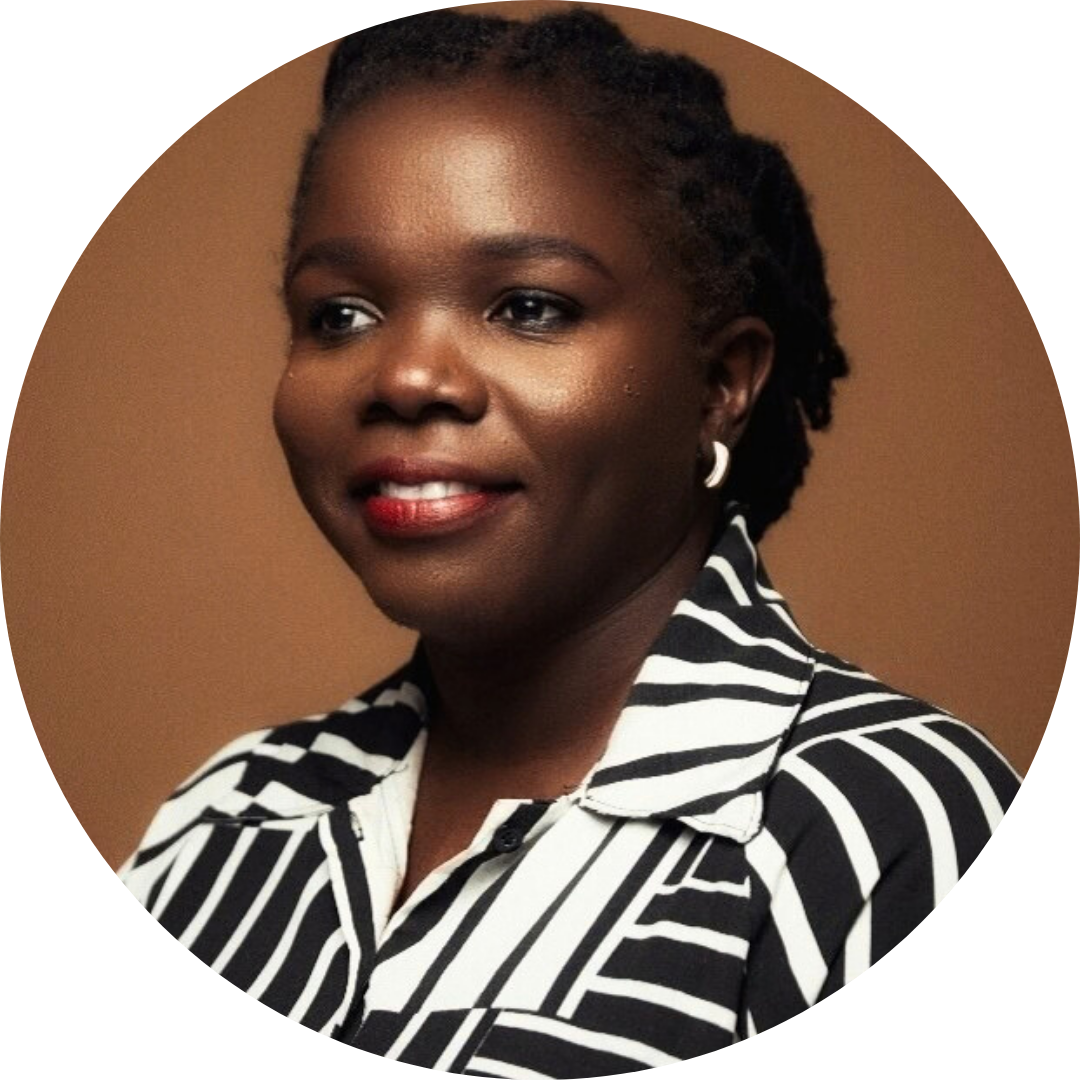
Latipher Amma Osei Appiah‑Agyei, a Senior Lecturer in Theatre Arts at the University of Education, Winneba (UEW) in Ghana, played a key role in the DEPA project’s 10th International Conference on Carnival & Masquerade Arts. As lead research assistant and local coordinator, she oversaw conference logistics and supported travel for international participants. The event used carnival and masquerade as creative tools for conflict resolution, including collaborative costume‑making workshops with the Winneba Fancy Dress Masquerade, UEW students, and conference participants. These activities encouraged dialogue and showed how artistic expression can build understanding and support peace. Her work reflects her belief in Kwame Nkrumah’s assertion that "The forces that unite us are intrinsic and greater than the superimposed influences that keep us apart." She continues to champion decolonising education by bringing diverse cultural practices into her teaching, and the project’s success highlights her commitment to inclusive and culturally grounded learning.
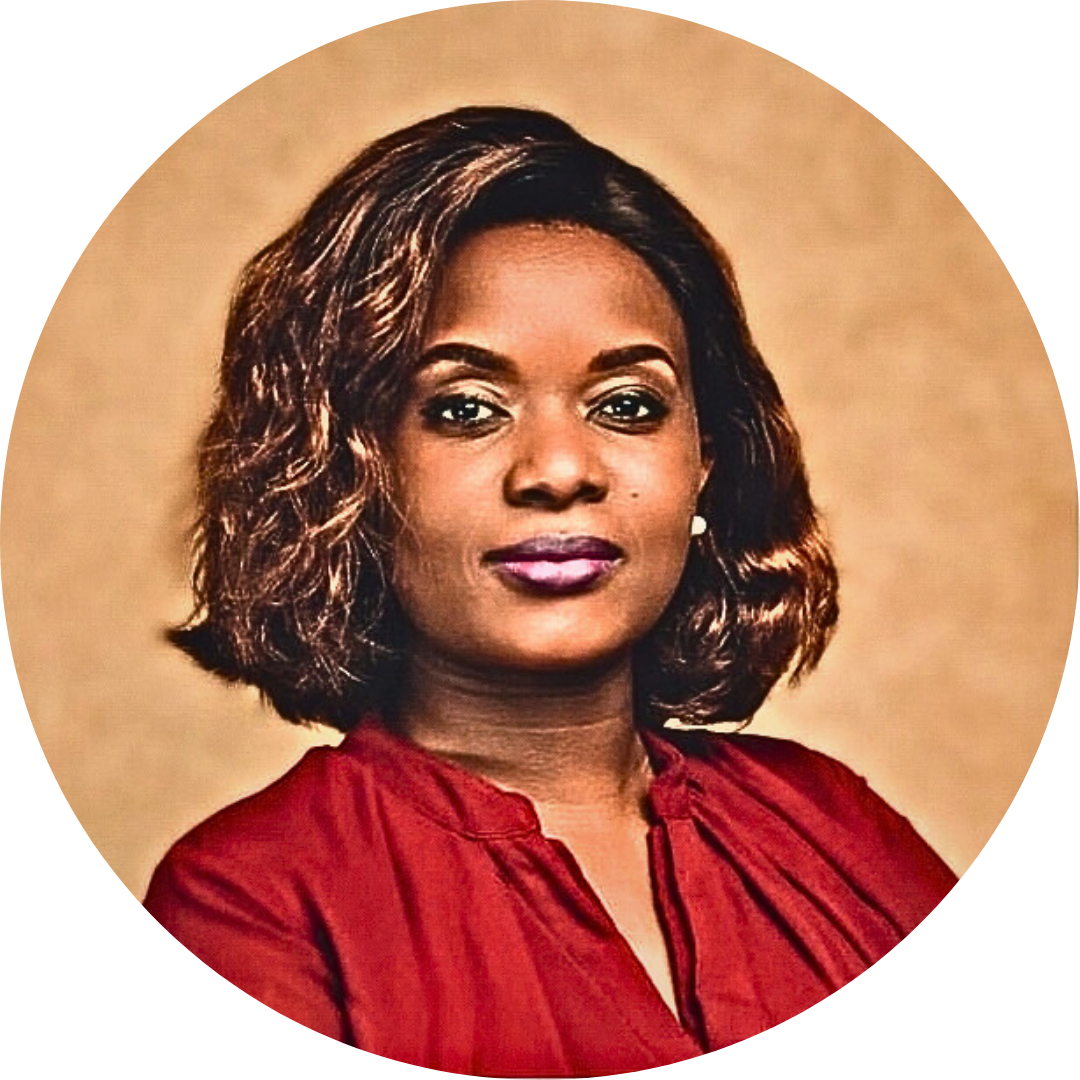
Luidmila Comé has over 7 years of experience managing impactful programs and more than 15 years in strategic communications. She serves as a Regional Consultant for Lusophone African countries at Genesis Analytics, specialising in Financial Services Strategies, fostering local expertise, and driving innovative solutions. Additionally, she is Chairwoman of the Board of Directors at CEPCB (Peace, Conflict, and Welfare Studies Center), where she provides strategic leadership to initiatives promoting social welfare and conflict resolution. Luidmila is an expert in gender-sensitive entrepreneurship, business development, and MSME acceleration. Her achievements include creating Cabo Delgado's first MSME Directory and registering over 900 companies to inform private sector policies and strategies. With expertise in project management, applied research, and capacity-building, she has trained over 500 women entrepreneurs and supported the growth of more than 300 MSMEs, advancing sustainable development through gender inclusion, resilience building, and innovative approaches.

Dr Manu Lekunze is a lecturer in International Relations at the University of Aberdeen. His research focuses on topics such as maritime strategy, intelligence, insurgency, political economy, complex adaptive systems, defense, and foreign policy. Lekunze is also known for organising "Conversations on African Security," which brings together leading African security experts and practitioners to discuss African security issues. His ongoing research includes examining great power competition between Russia, China, and the United States in or related to African states. Lekunze has appeared on various media outlets, including BBC, Al Jazeera English, TRT World, and CGTN, contributing to his expertise in national security and geopolitical risk.
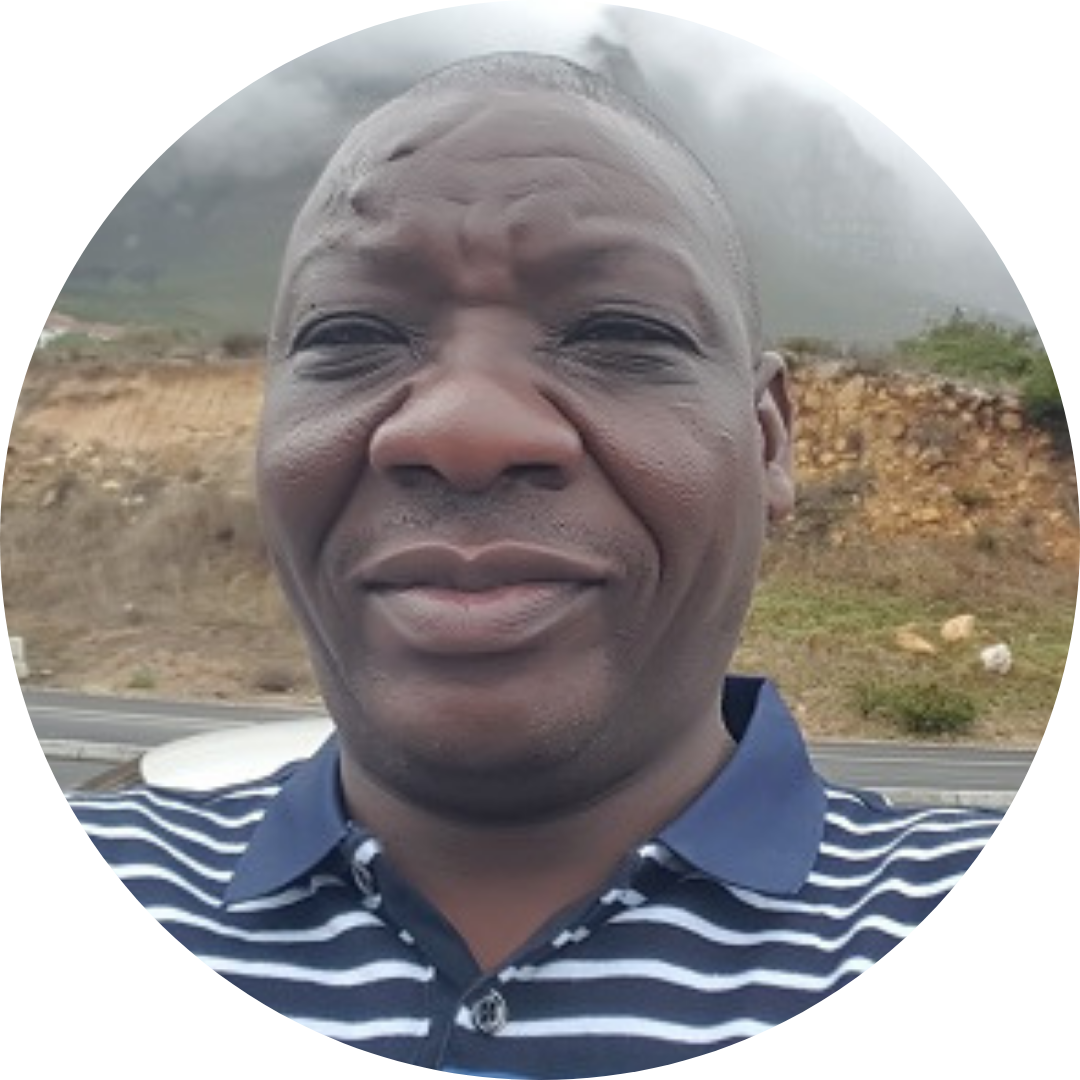
More Panganayi
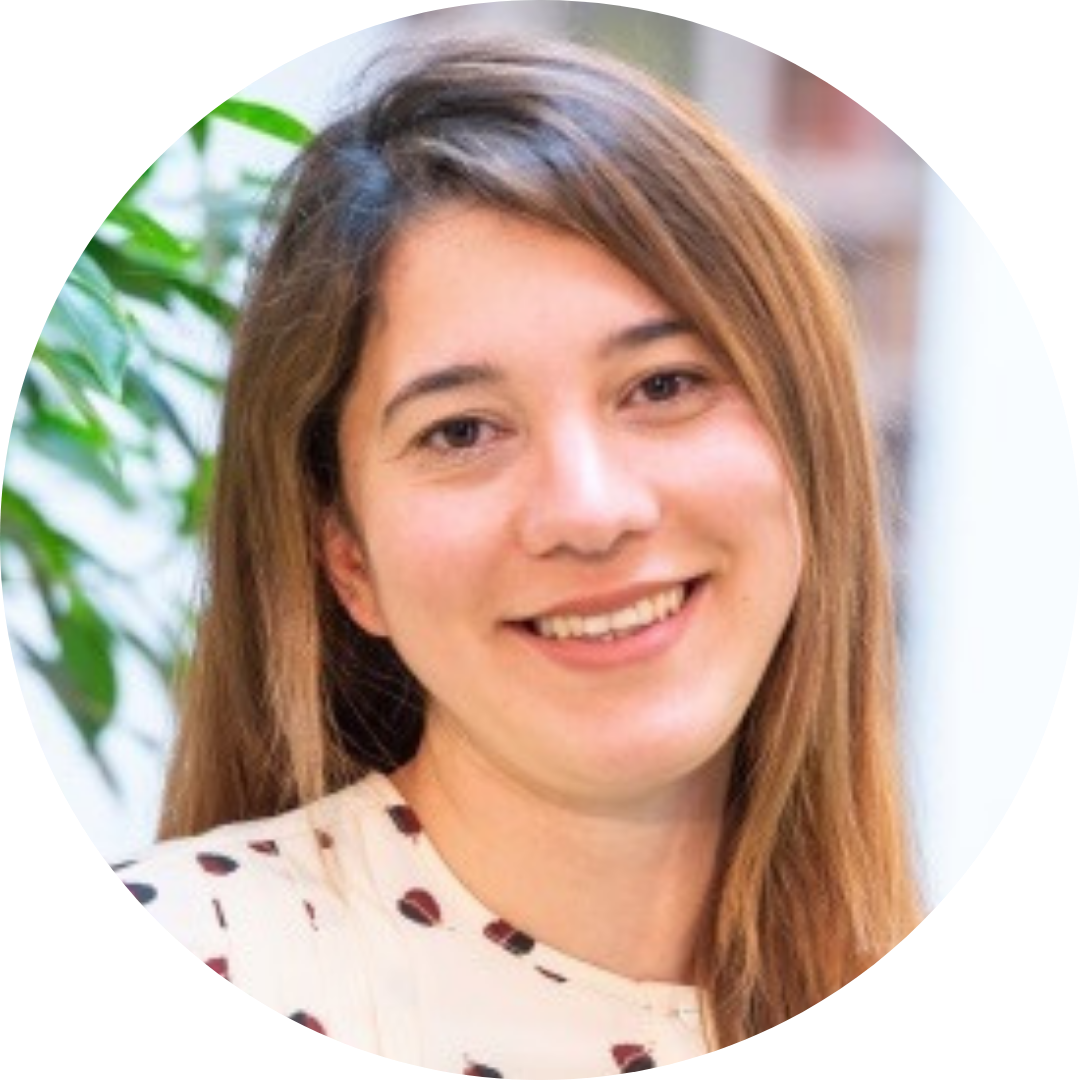
Prof Melis Cin is a Senior Lecturer in Education and Social Justice at Lancaster University and Co-Investigator of the DEPA Project. She is a feminist researcher with a particular interest in exploring the relationship between education and international development. Her current research includes 'Gender, Education and Peace in International Development' and 'Participatory Arts in International Development'. She uses participatory art methods and feminist theories to address injustices faced by refugee communities, conflict-stricken groups and ethnic minorities.
Prof Parvati Raghuram is a Professor of Geography and Migration at the Open University. She is the Principal Investigator of DEPA and has been closely involved in the Cameroon and Zambia projects. She is interested in ensuring decolonisation as methodology in how the projects are run and in producing decolonial teaching materials. ‘I am proud that DEPA allowed Africans to undertake their own research on their terms and to own their data. DEPA showed me how much of the decolonisation debates are still rhetorical and that we need to beware of rhetorical decolonisation’.
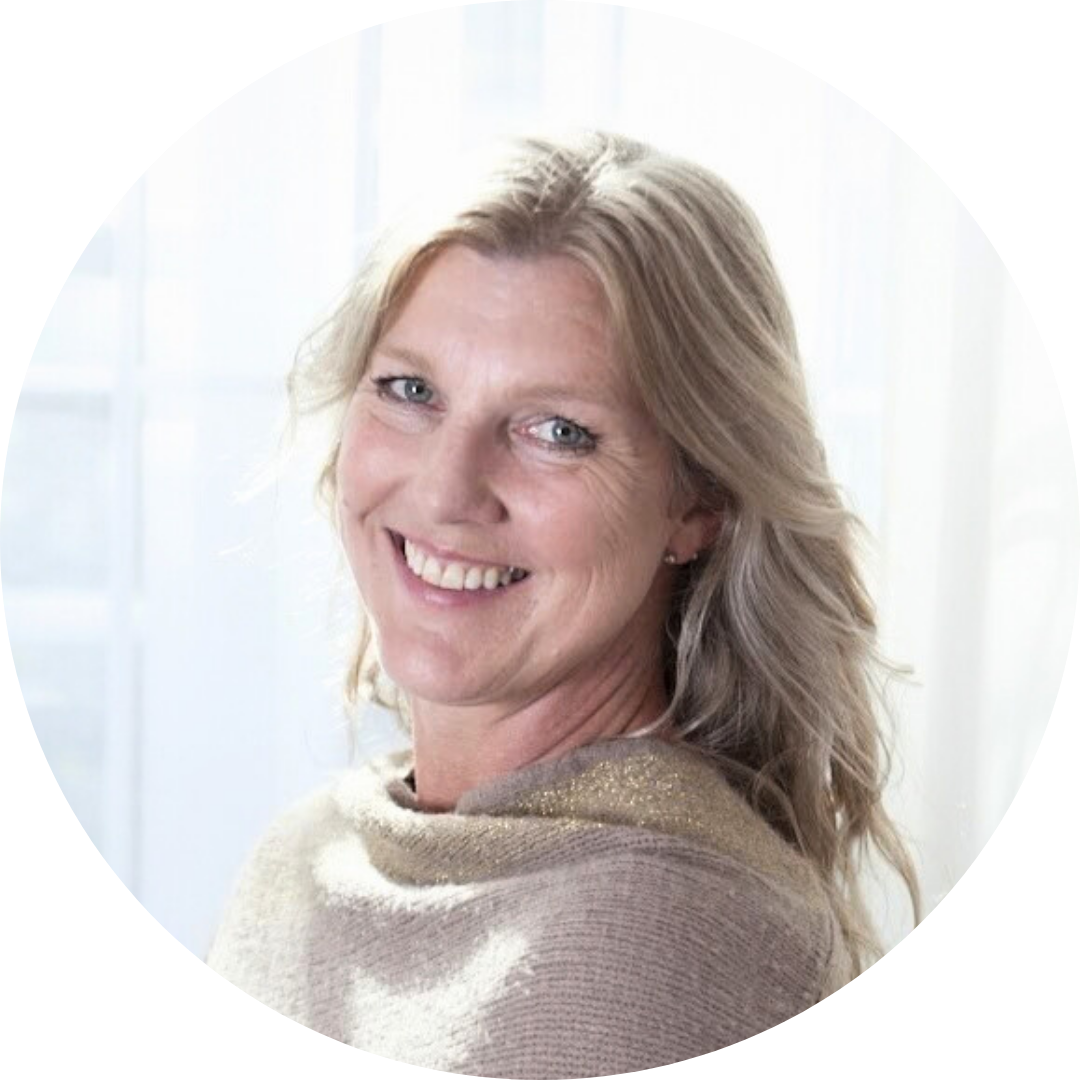
Sarah Miller is a South African-based instructional designer who specialises in digital education. With over 25 years of experience in South African educattion and training, Sarah is passionate about the need to create African-centred content for African's by African's.

Sharron Jenkins is a Project Manager based at the Open University. Drawn to the DEPA project for its potential to drive meaningful impact in decolonisation, Sharron played a key role in co-ordinating activites, ensuring project milestones were met and supporting collaboration across teams. A standout achievement was successfully co-ordinating the project's closing event in Brixton, London during September 2024 where teams from around the world came together in London to celebrate the project's work and accomplishments.
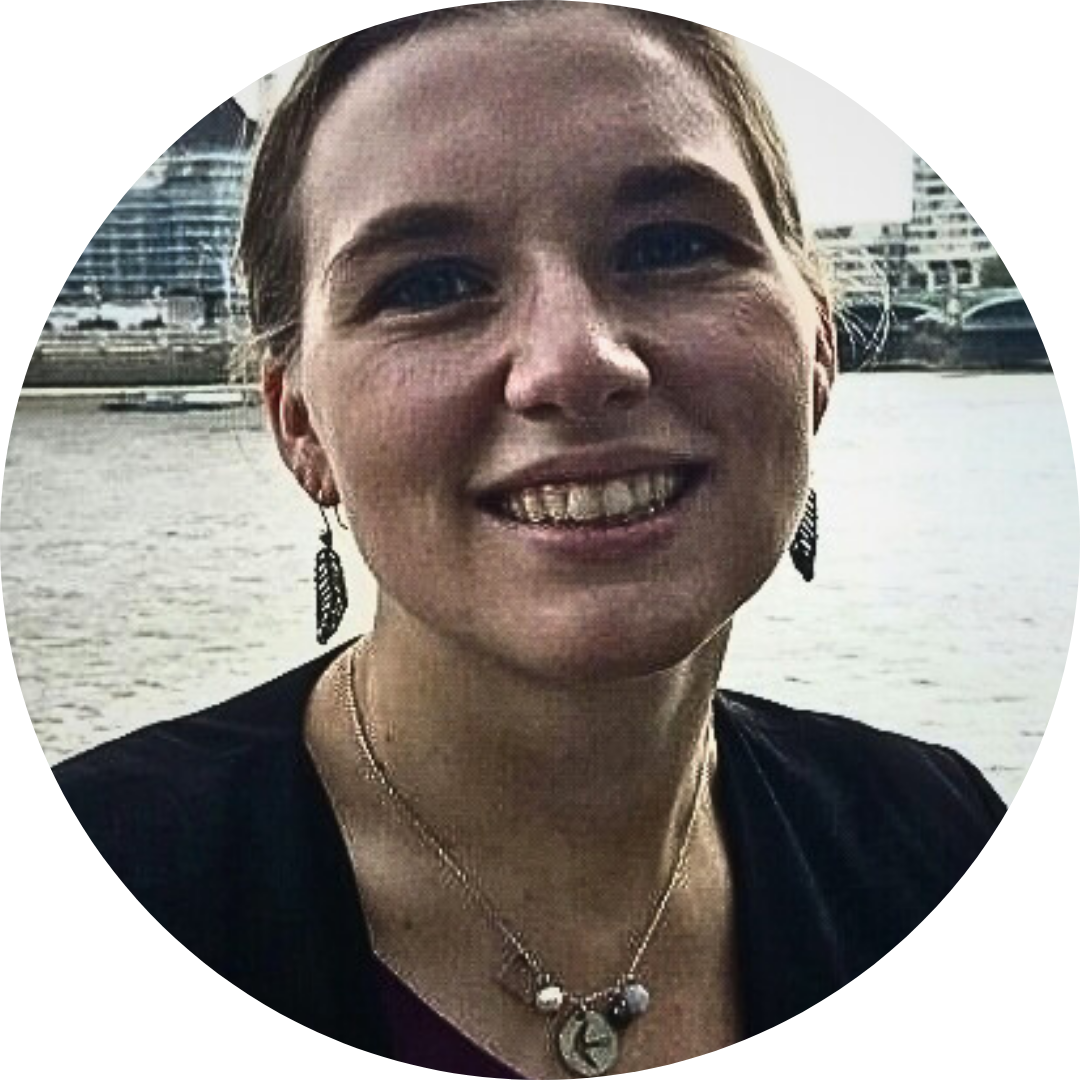
Prof Stefanie Kappler is a Professor in Conflict Resolution and Peacebuilding at Durham University. She has mostly been involved in the arts-based elements of DEPA and has worked with the South African team on the soundscapes project. This has allowed her to deepen her understanding of arts-based methodologies and their challenges and opportunities when they are adapted, modified and translated in different localities and contexts. Stefanie is particularly grateful for the rich discussions that took place across the project, many of which have really helped her nuance an understanding of what art can and cannot do in contexts of persistent global structural inequalities.
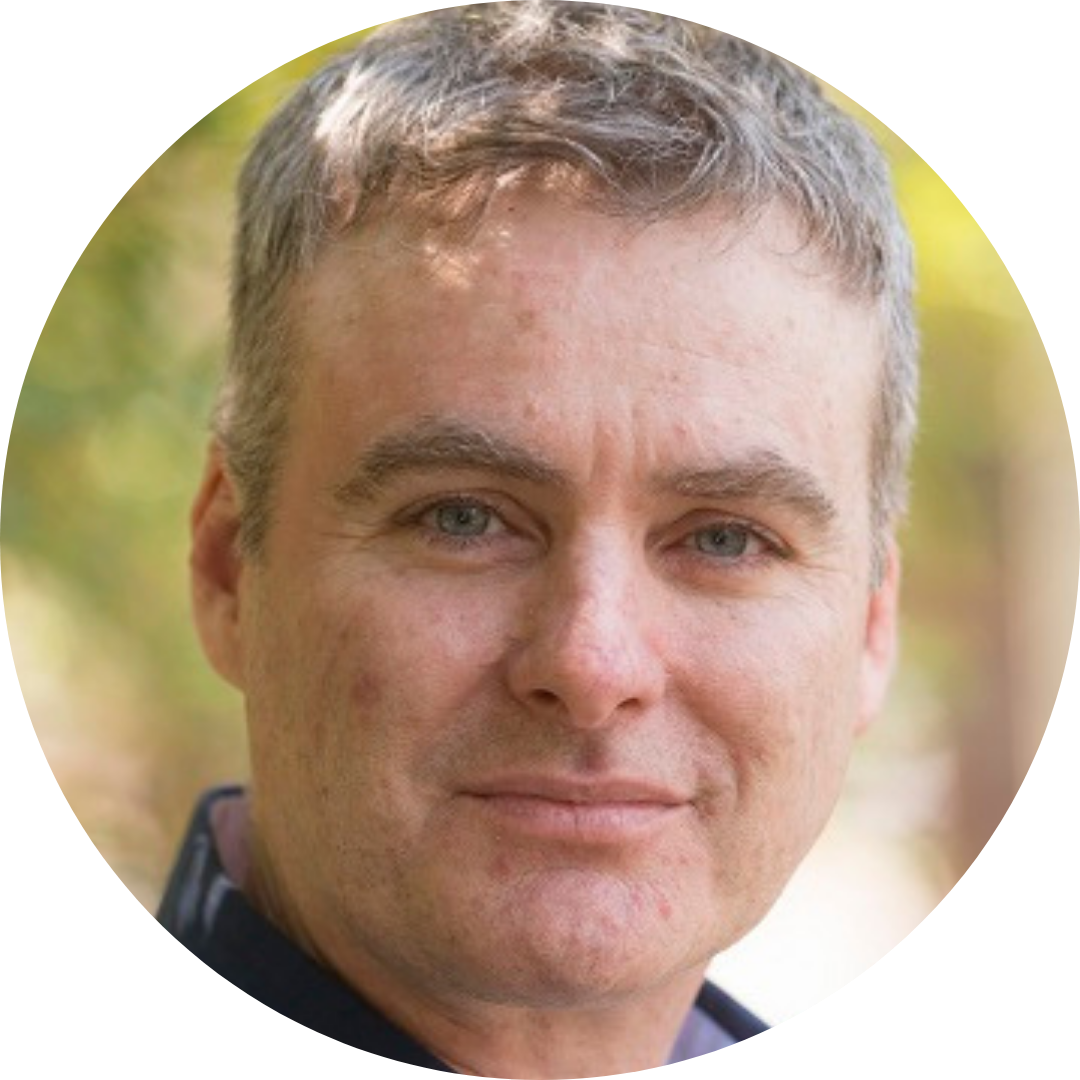
Dr Stephen McLoughlin is an Assistant Professor at the Centre for Trust, Peace and Social Relations at Coventry University in August 2020. His research interests include mass atrocity prevention, the role of the UN in conceptualising and carrying out prevention, the causes of genocide and mass atrocities, and the Responsibility to Protect (R2P). He is the author of The Structural Prevention of Mass Atrocities (Routledge 2014) and Rethinking Humanitarian Intervention (with Alex Bellamy) (Palgrave 2018, with Alex Bellamy). Stephen is particularly interested in why it is that mass atrocities do not occur in places where the risk factors associated with such violence are salient. He is also interested in the role that political leaders play in mitigating the risk associated with these crimes. Stephen is a founding member of the Asia Pacific Centre for the Responsibility to Protect. He has been writing about mass atrocity prevention and pillar one-related issues for more than a decade, and has published extensively in this area.
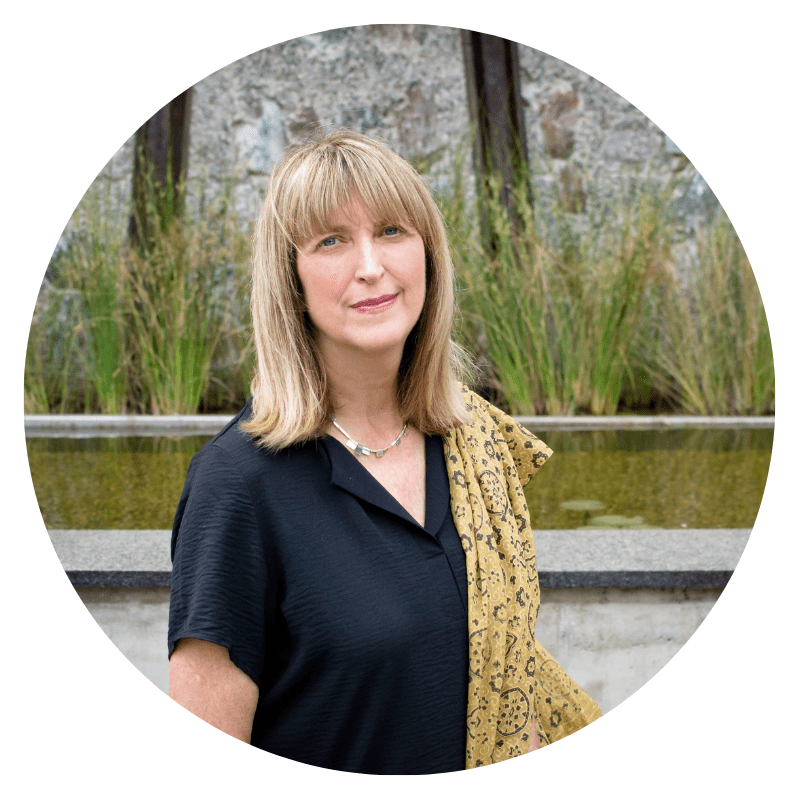
Tali Nates is the founder and director of the Johannesburg Holocaust & Genocide Centre (JHGC), and an historian who lectures internationally on Holocaust and Genocide education, memory, reconciliation, and human rights. Born to a family of Holocaust survivors, her father and uncle were saved by Oskar Schindler. Tali has created and produced dozens of documentary films, curated exhibitions, published articles and contributed chapters to books. She has won many awards in South Africa and globally, the latest being the Goethe Medal (2022, Germany), the Secretary of State International Religious Freedom Award (2023, USA) and the International Network of Genocide Scholars’ Impact Award (2024).
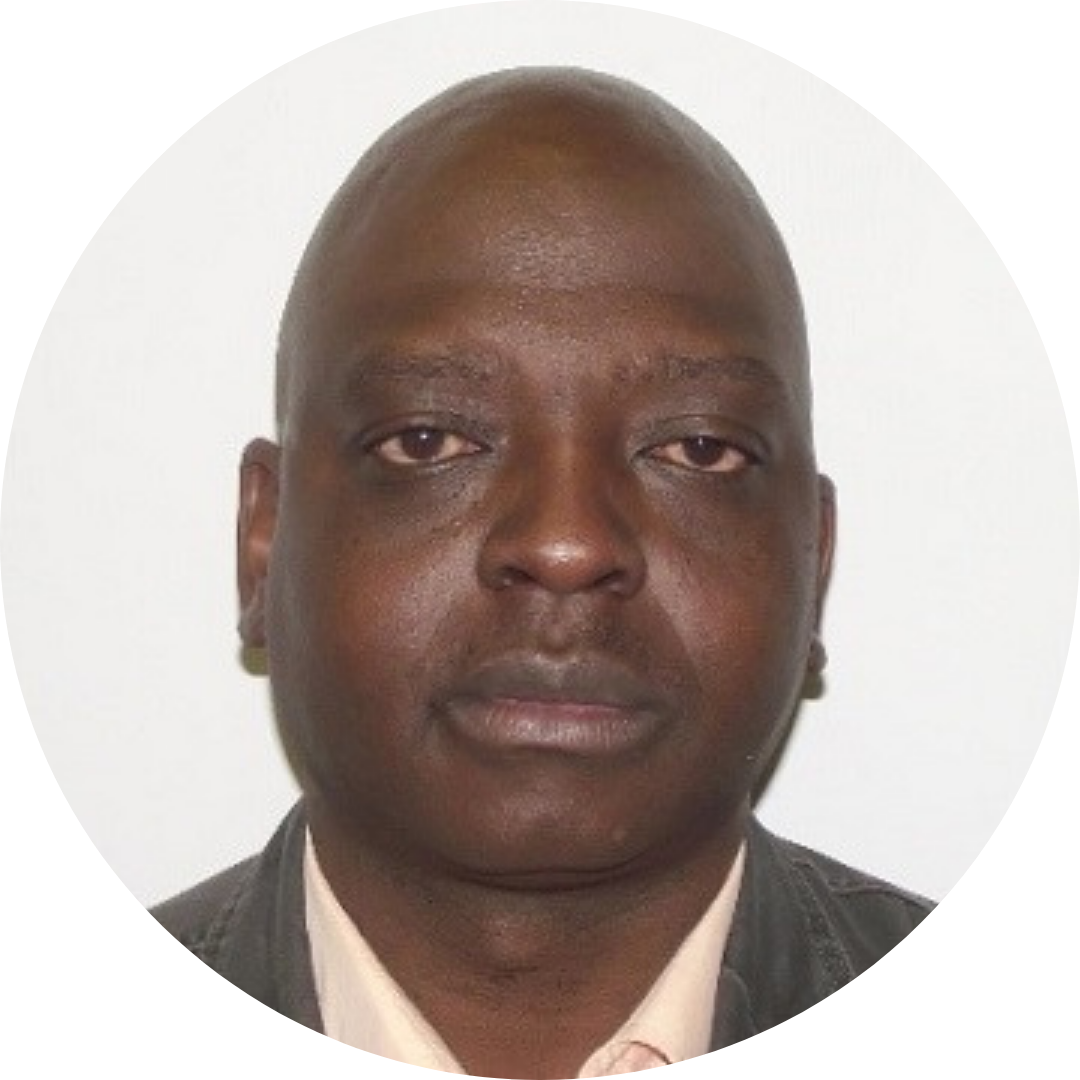
Dr Tendayi Marovah is an Early Career researcher teaching History Education at Midlands State University. He is also a Research Fellow at the University of the Free State, SARCHi Chair in Higher Education and Human Development Research Group. His research interests are: Curriculum and pedagogy, Higher Education, Social justice, Human development and theorising using Ubuntu and the capability approach.

Tomi Olaniyan is Director of PADEAP (Pan African Development Education and Advocacy Programme) and co-founder of ILERA: Community Health Initiative. As a Pan African Feminist, Tominke advocates for the right to quality education and healthcare for all, ending violence against women and girls and refugee rights including freedom of movement for all within the African continent, ‘From Cape Town to Cairo’. Tominke’s research interests are centred in a pan African perspective focusing on forced migration, social determinants of health, global health equity and violence against women and girls. Within DEPA, Tominke seeks to implement pan African decolonial participatory action research methods working in partnership with refugee communities in Uganda on the photography-based photovoice method and storytelling through theatre for change with internally displaced people in Nigeria.

Tirso Sitoe is a Researcher and Director of Bloco 4 Foundation – Research in activism, citizenship and social policies in Mozambique. They hold a master’s and postgraduate degree in intercultural relations from the Universidade Aberta de Lisboa (Portugal) and a degree in Anthropology from the Eduardo Mondlane University in Maputo (Mozambique). Her research area focuses on issues related to youth, social protests based on artistic and cultural expressions in post-colonial Mozambique, but also on conducting research and producing teaching materials using audio-visual components from a decolonial perspective. "I am proud to have joined the DEPA research team to conduct research on trans knowledge and PhotoVoice for activism and peacebuilding in Mozambique in which we use arts-based methods, specifically photography, to reflect on processes of peace education in contexts affected by conflict/violence."